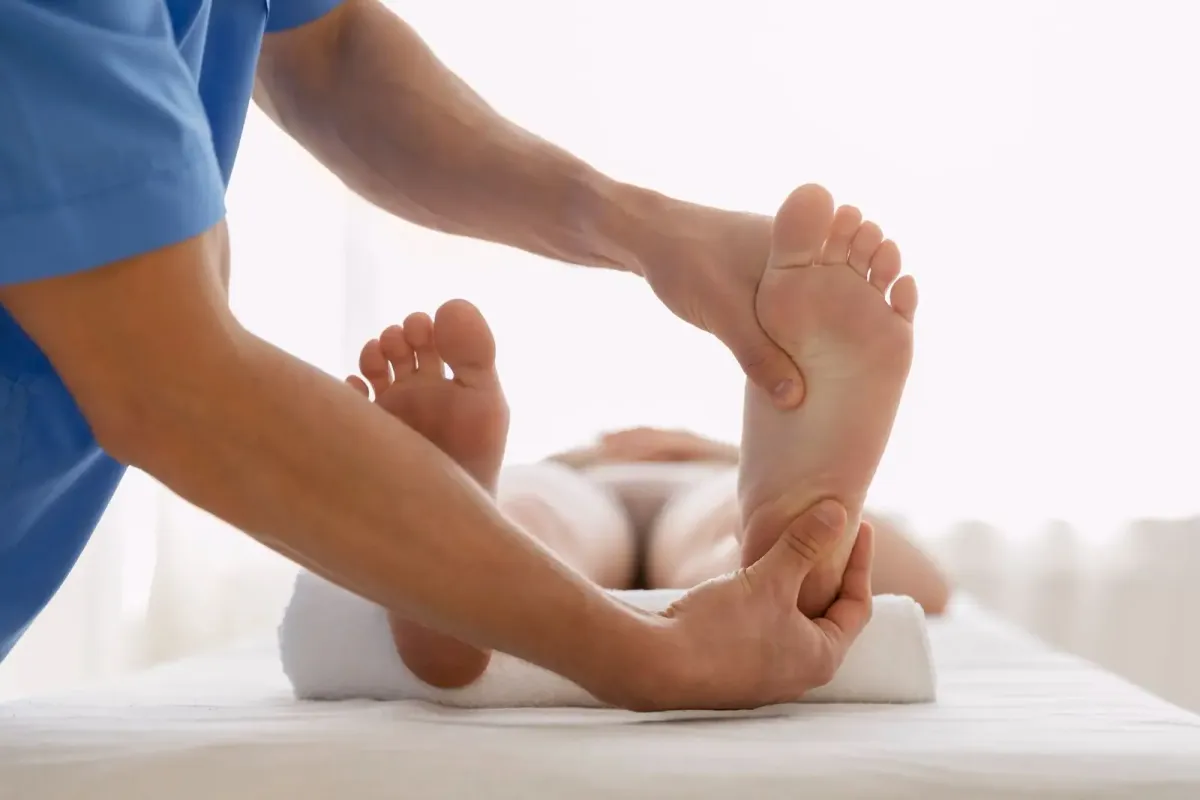
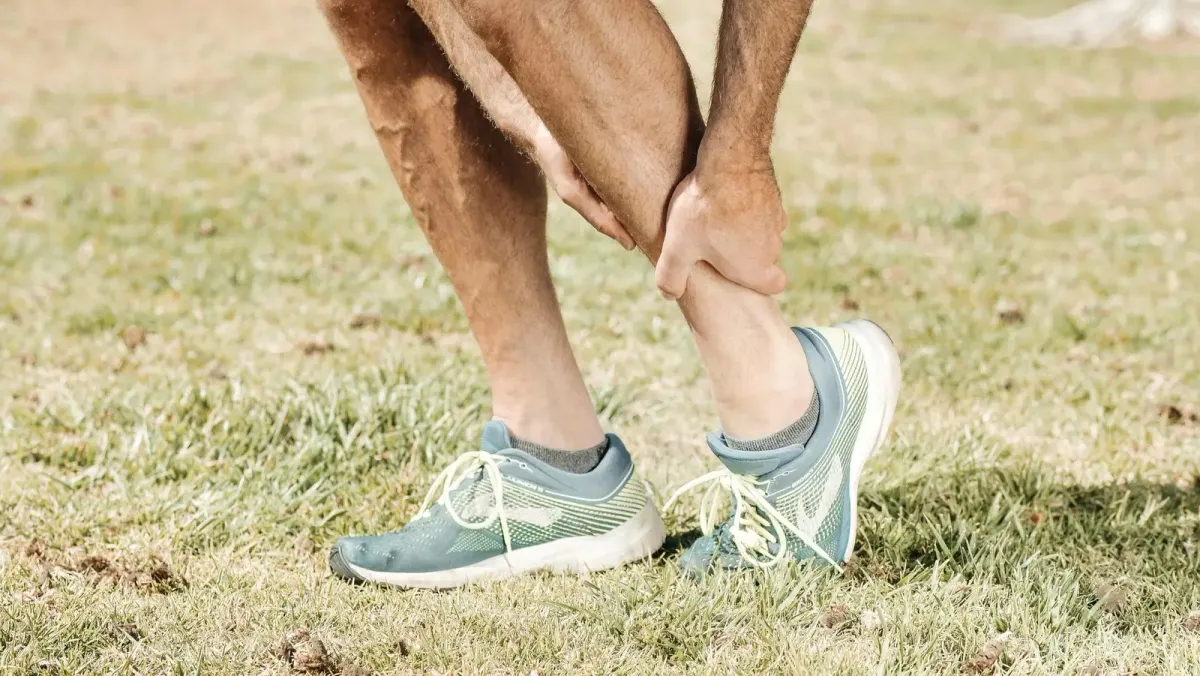
Running is a fantastic way to stay active and maintain a healthy lifestyle. However, it's not without its risks. Runners are susceptible to a range of injuries, which can range from minor discomfort to more severe problems that can hinder performance. In this blog, we'll explore five of the most common running injuries - Achilles tendinopathy, anterior knee pain, medial tibial stress syndrome (shin splints), hip problems, and plantar fasciitis - and discuss how physiotherapy plays a crucial role in both recovery and prevention.
Achilles tendinopathy
Achilles tendinopathy is a condition that affects the Achilles tendon, which connects the calf muscles to the heel bone. It is characterised by pain and stiffness in the tendon, particularly during and after physical activity. Physiotherapy can be instrumental in treating Achilles tendinopathy by incorporating exercises that strengthen the calf muscles and improve the flexibility of the Achilles tendon. Our treatment approach typically involves a combination of manual therapy techniques, exercise therapy, and modalities such as ice, shockwave or laser therapy or acupuncture.
Anterior knee pain
Anterior knee pain, often referred to as "runner's knee," is a common ailment among runners. It is characterised by pain around the kneecap, which tends to worsen during activities that involve bending the knee, such as running or squatting. Physiotherapy for anterior knee pain typically includes exercises to strengthen the quadriceps and hip muscles, along with techniques to improve the alignment and mobility of the patella. This approach helps alleviate pain and prevent future occurrences.
Medial tibial stress syndrome (shin splints)
Medial tibial stress syndrome, commonly known as shin splints, manifests as pain along the inner edge of the shinbone. It is often experienced by runners, especially those who rapidly increase their training intensity or mileage. Physiotherapy focuses on a gradual return to running, incorporating strengthening exercises for the calf muscles and addressing any underlying biomechanical issues. Additionally, we provide guidance on proper footwear and running techniques to prevent reoccurrence.
Hip pain
Hip pain in runners can be attributed to various factors, including muscle imbalances, overuse, or poor running form. Physiotherapy aims to address the root cause of the hip pain by conducting a thorough assessment of the runner's biomechanics. Treatment may include a combination of strengthening exercises for the hip muscles, stretching, and manual therapy to improve joint mobility. We also provide guidance on modifying training routines to prevent further strain on the hip.
Plantar fasciitis
Plantar fasciitis is a condition characterised by pain in the heel or along the arch of the foot, typically experienced during the first steps in the morning or after prolonged periods of rest. Physiotherapy interventions for plantar fasciitis may include stretching exercises to improve flexibility in the calf and plantar fascia, along with strengthening exercises for the intrinsic foot muscles. Additionally, we may employ techniques such as laser therapy or soft tissue mobilisation to facilitate healing.
Our fantastic team of physios are experts at getting to the root of the issue and tailoring exercises that are just right for you. We want to give you the tools you need to bounce back and get back to doing what you love, full of confidence!
If you find yourself dealing with any of these common running injuries, get in touch here Remember, with the right support, you'll be back on your feet, enjoying all the amazing benefits of running in no time!