
If you are experiencing a sharp pain in the bottom of your heel, especially in the mornings or after long periods of standing, you might be dealing with plantar fasciitis.
Plantar fasciitis occurs when the plantar fascia, a thick band of tissue running across the bottom of your foot, becomes inflamed. This inflammation can cause significant discomfort, but the good news is there are effective treatment options available.
Understanding plantar fasciitis
First, let’s understand what might cause this condition. Plantar fasciitis is often the result of repetitive strain or overuse.
Factors such as flat feet, high arches, prolonged standing, and improper footwear can contribute to the development of this condition.
Treatment options at Wickford Physiotherapy
1. Assessment and diagnosis
Our first step at Wickford Physiotherapy is a thorough assessment. We take the time to understand your specific symptoms and the underlying causes of your pain. This helps us tailor a treatment plan that’s just right for you.
2. Manual therapy
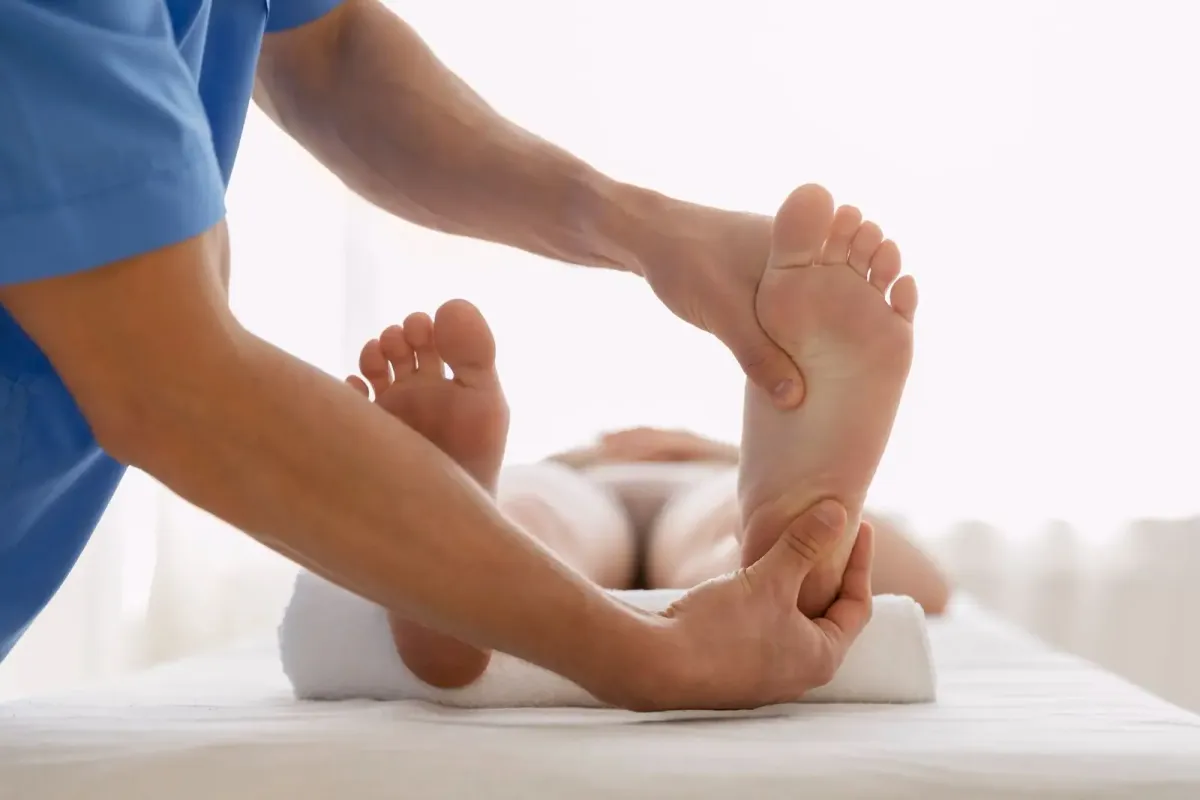
One of the most effective treatments we offer is manual therapy. Our experienced physiotherapists use specific techniques to reduce tension in the plantar fascia and improve overall foot mechanics. This helps to alleviate pain and support the healing process.
3. Exercise programmes
Customised exercise programmes are key to restoring strength and flexibility in your foot. We guide you through targeted exercises that focus on stretching the plantar fascia, Achilles tendon, and calf muscles. Strengthening the muscles supporting your arch and heel is also crucial in preventing future issues.
4. Footwear and orthotics advice
Wearing the right shoes can make a huge difference. We provide advice on footwear that offers adequate support and cushioning. In some cases, custom orthotic inserts may be recommended to provide additional support and alleviate pressure on the plantar fascia. These are available from our colleagues at our sister clinic, essexpodiatry.co.uk
5. Shockwave therapy
For persistent cases of plantar fasciitis, we might employ shockwave therapy. This non-invasive treatment helps stimulate healing by increasing blood flow to the affected area and reducing pain and inflammation.
6. Lifestyle and activity modifications
Sometimes, simple changes in your daily activities can significantly impact your recovery. We guide you on how to manage your activities to avoid overloading the plantar fascia while gradually increasing your activity levels as your pain improves.
At Wickford Physiotherapy, we are committed to helping you find relief from your plantar fasciitis and get back to enjoying your daily activities pain-free.
So don't hesitate to reach out if you’re struggling with heel pain. We’re here to support you every step of the way!