

PATELLA-FEMORAL-PAIN.
Patella-femoral pain, also known as anterior knee pain, is a common condition that affects individuals of all ages, but is particularly common in young adults and adolescents.
Written under the guidance of Jack Holland, Chartered Physiotherapist and Sports Therapist (BSc, MSc, MCSP, MAAP), supporting patients across Wickford, Basildon, Rayleigh and South Essex.
Patella-femoral pain, also known as anterior knee pain, is a common condition that affects individuals of all ages, but is particularly common in young adults and adolescents. The patella-femoral joint is the joint between the patella (kneecap) and the femur (thigh bone).
Patella-femoral pain is characterised by pain around or behind the patella, particularly during activities such as running, jumping, or climbing stairs.
Causes of Patella-Femoral Pain
The causes of patella-femoral pain can be multifactorial, including factors such as overuse, muscle imbalances, poor knee alignment, and trauma.
Overuse is a common contributing factor and often occurs when there is a sudden increase in activities such as running, jumping, or training without adequate rest or conditioning. Repetitive loading of the knee joint can place excessive stress on the patella-femoral joint over time.
Muscle imbalances around the hip, thigh, and knee can also alter how the patella moves during activity. Weakness or tightness in these muscles may lead to increased pressure behind the kneecap, contributing to pain and irritation.
Poor knee alignment, including issues with foot position or lower limb biomechanics, can affect how forces are distributed through the knee joint. This may result in abnormal tracking of the patella during movement and increased strain on surrounding structures.
Trauma, such as a direct blow to the knee or a fall, can also trigger patella-femoral pain. In some cases, symptoms develop gradually, while in others they may appear following an injury or change in activity levels.
Physiotherapy Treatment for Patella-Femoral Pain
Physiotherapy is an effective treatment option for patella-femoral pain, focusing on identifying and addressing the underlying causes of the condition.
Our physiotherapy treatment approach typically involves a combination of
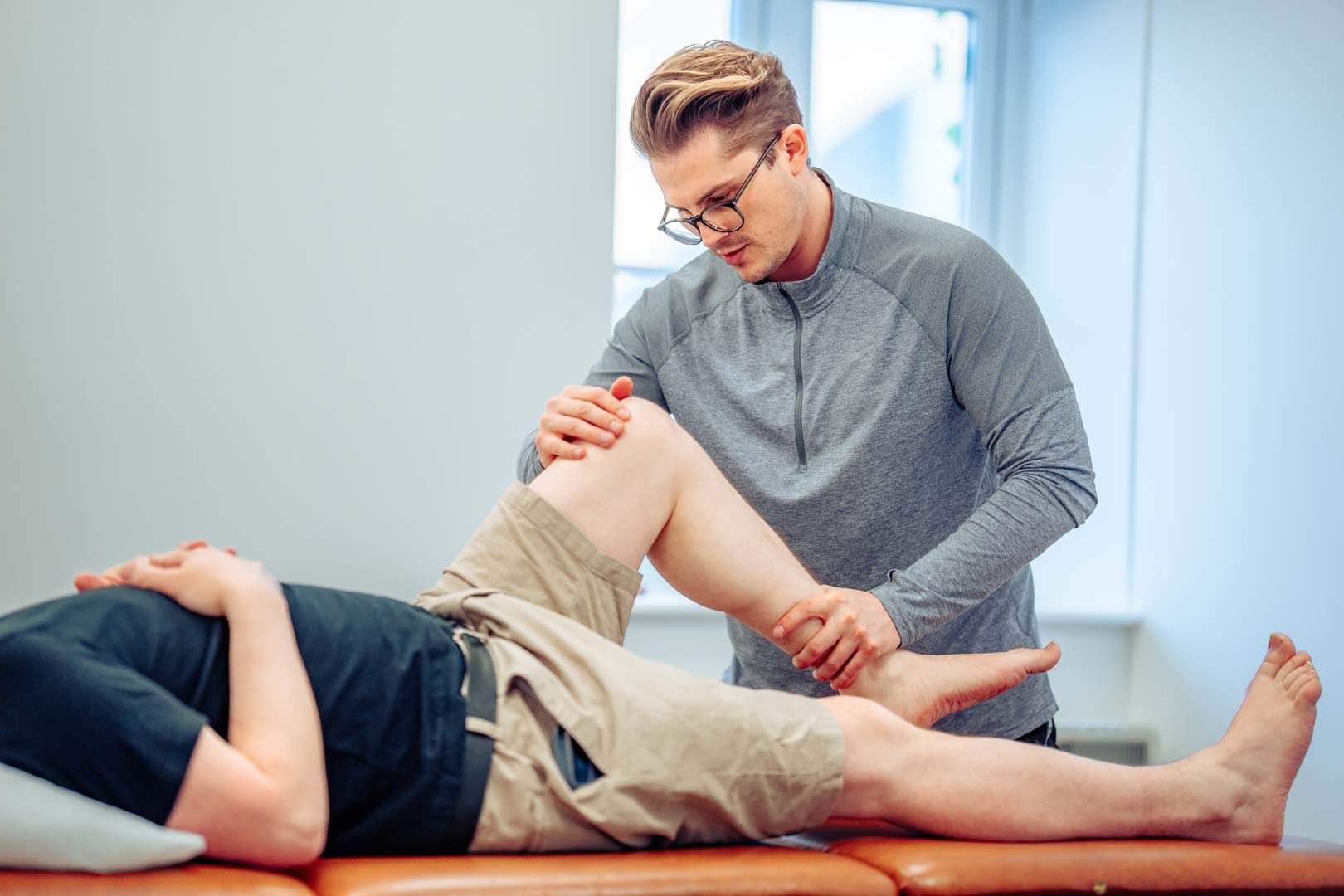
manual therapy techniques, exercise therapy, laser therapy and education. Manual therapy techniques such as soft tissue mobilisation, joint mobilisation, and stretching can help to reduce pain and improve mobility.
Laser therapy may also be used to help reduce pain and inflammation within the knee joint. This non-invasive treatment supports the body’s natural healing processes, helping to promote tissue repair and improve recovery time, particularly where symptoms are persistent or aggravated.
Exercise therapy is a critical component of treatment, with specific exercises designed to improve muscle strength, flexibility, and stability around the knee joint.
Education is also an essential part of physiotherapy for patella-femoral pain. One of
our skilled physiotherapists may provide advice on proper technique for activities such as running and jumping, as well as recommendations for footwear and modifications to activities to reduce pain and prevent further injury.
In more severe cases of patella-femoral pain, bracing or taping may be recommended to help support the knee joint and improve alignment. Or we can refer you to our in house podiatrist, for consideration of custom made insoles to correct any biomechanical factors.
Frequently Asked Questions
1. How do I know if my knee pain is patella-femoral pain?
Patella-femoral pain typically presents as pain around or behind the kneecap, especially during activities such as climbing stairs, running, squatting, or sitting for long periods. A physiotherapy assessment can confirm the diagnosis and rule out other causes of knee pain.
2. Can patella-femoral pain improve without treatment?
In some mild cases symptoms may settle, but without addressing underlying factors such as muscle imbalance or poor movement patterns, pain often returns. Physiotherapy helps address the root cause and reduce the risk of recurrence.
3. Should I stop exercising if I have anterior knee pain?
Not necessarily. A physiotherapist can help modify your activities and provide safe exercises so you can remain active while your knee recovers.
4. How long does physiotherapy take to help patella-femoral pain?
Recovery time varies depending on severity and contributing factors. Many people notice improvement within a few weeks, while longer-standing symptoms may take several months with a structured rehabilitation plan.
5. When should I see a physiotherapist for knee pain?
If your knee pain is persistent, worsening, or limiting daily activities or sport, early physiotherapy assessment can help prevent further irritation and speed up recovery.
Book an Appointment for Anterior Knee Pain
If you are experiencing knee pain, give us a call, so one of our experienced physiotherapists can create your tailor made treatment plan and get you back on your feet and back to what you enjoy doing best pain free.