
Understanding ACL Injuries
An important topic that affects many athletes and active individuals: ACL injuries.
Understanding ACL Injuries
The anterior cruciate ligament (ACL) is a critical stabiliser in your knee. It connects the thigh bone (femur) to the shin bone (tibia) and helps control back-and-forth motion. ACL injuries often occur during sports that involve sudden stops, jumps, or changes in direction, such as basketball, football, and skiing.
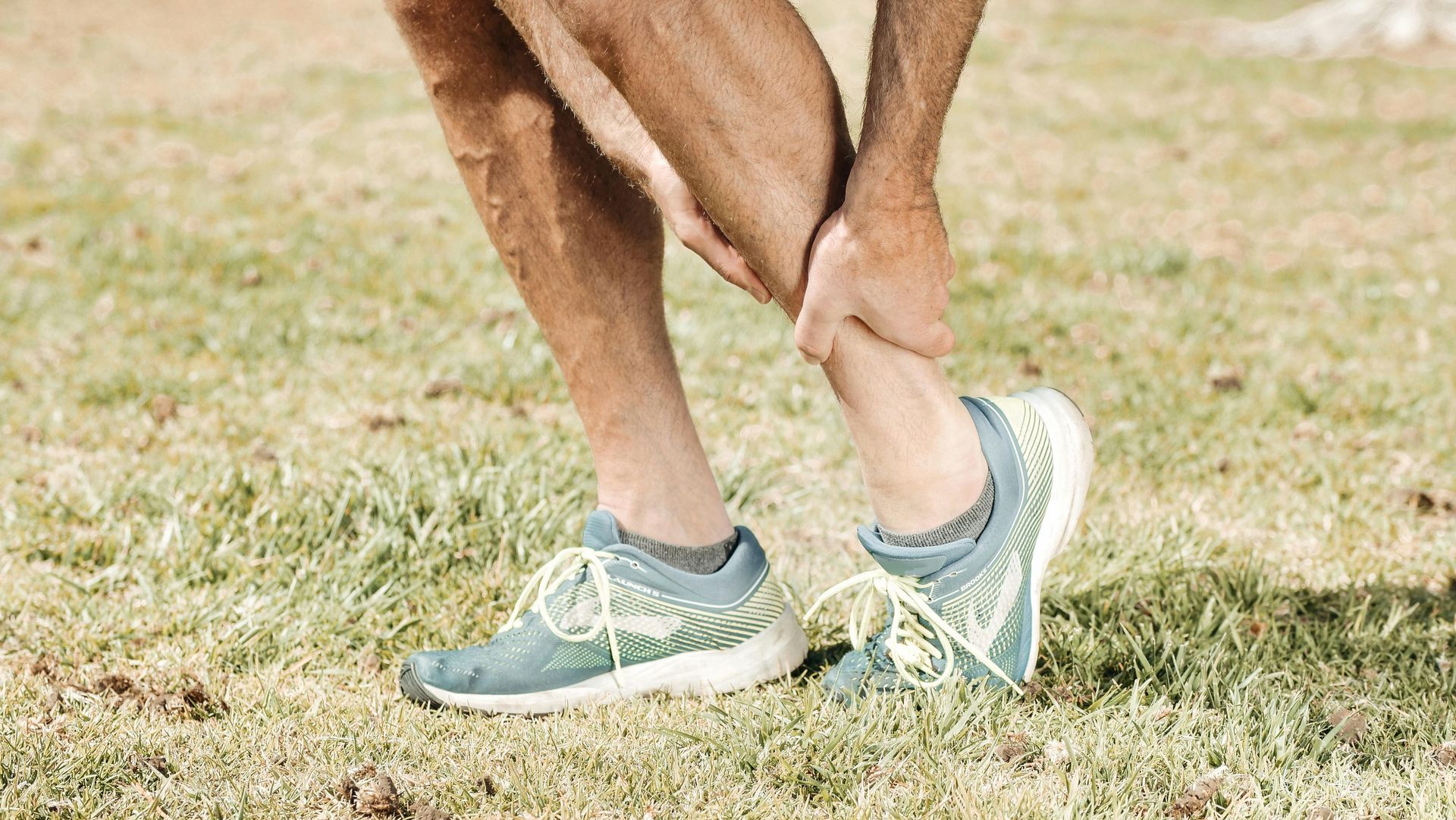
ACL injuries can be partial tears, complete tears, or even avulsions (where the ligament is torn away from the bone). They’re typically quite painful and can severely limit your knee’s functionality.
Signs and Symptoms to Look Out For
If you suspect an ACL injury, here’s what you might experience:
- A loud "pop" sound or a popping sensation in the knee
- Severe pain and inability to continue activity
- Rapid swelling
- Loss of range of motion
- A feeling of instability or "giving way" when trying to bear weight
Treatment Options
Treatment often depends on the severity of the injury and your lifestyle. Here's a quick overview:
Non-Surgical Treatments:
- R.I.C.E. (Rest, Ice, Compression, Elevation): These steps help manage initial pain and swelling.
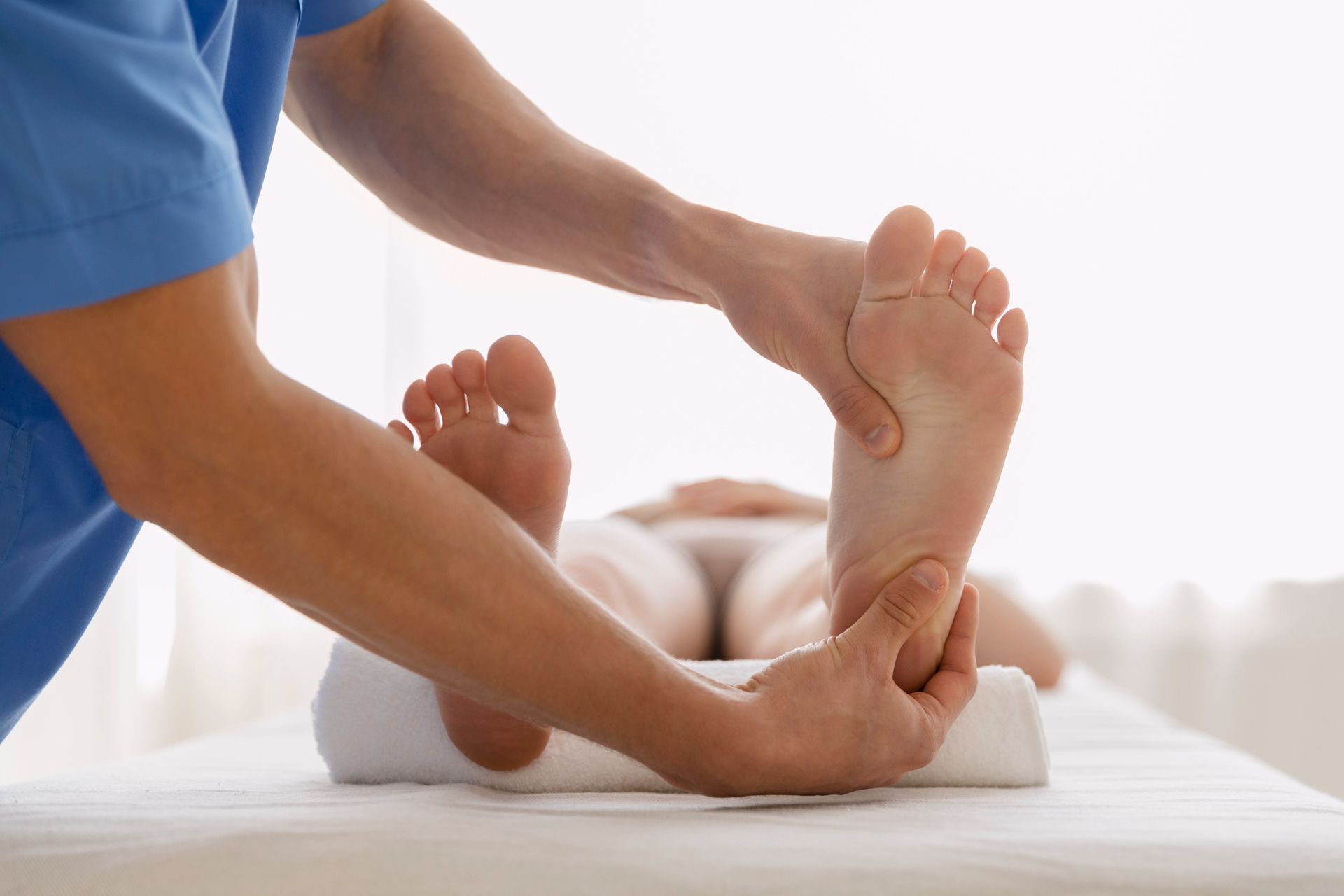
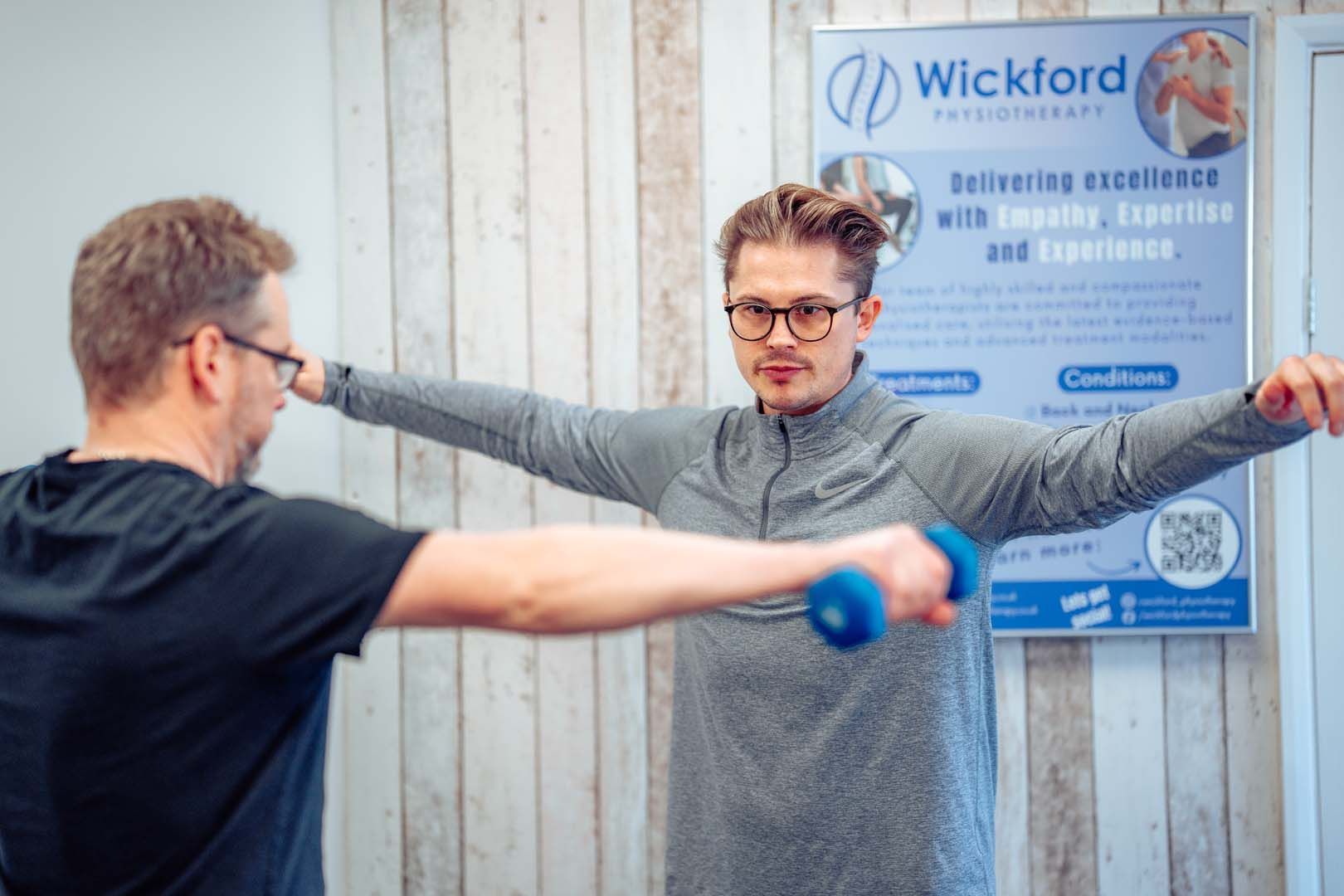
- Physical Therapy: Strengthening exercises for the muscles around your knee can help regain stability. This is crucial whether you opt for surgery or not.
- Bracing: Sometimes, a knee brace can provide additional support.
Surgical Options:
- Reconstruction Surgery: In severe cases, especially for athletes, surgery might be necessary. The surgeon typically uses a graft to replace the torn ligament. Post-surgery rehabilitation is essential to regain strength and functionality.
The Role of Physiotherapy in Recovery
Regardless of whether you choose surgical or non-surgical treatment, physiotherapy plays a pivotal role in your recovery. At Wickford Physiotherapy, we focus on creating a tailored rehabilitation plan to restore your knee's strength, flexibility and stability.
Phase 1: Immediate Post-Injury & Post-Surgery
- Managing pain and swelling
- Gentle range-of-motion exercises
Phase 2: Early Rehabilitation
- Strengthening exercises for your quadriceps, hamstrings, and core
- Controlled weight-bearing activities
Phase 3: Advanced Rehabilitation
- Balance and proprioception exercises
- Sport-specific drills
Phase 4: Return to Activity
- Gradual reintroduction to sports and activities you love
- Ongoing strength and conditioning to prevent re-injury
Prevention Tips
While not all ACL injuries can be prevented, some strategies can help reduce the risk. Strength training, agility drills, and proper techniques for jumping and landing can make a difference.
Thank you for reading! If you have any concerns about ACL injuries or need personalised care, don’t hesitate to contact us at Wickford Physiotherapy. Your journey to recovery is our priority.